
Dubai’s real estate sector is a landscape that never stands still. The dynamism isn’t limited to a steady stream of new projects; it also extends to property regulations, visa policies, and financing requirements. What may have stood true last year may no longer apply today. Clearly understanding the key things to know before buying a property in Dubai, along with the latest regulations, is essential to ensure a smooth buying process.
- Know Where You Can Buy
- Residency Is Not Required to Purchase Property
- The Property-Linked Visa Rules Changed Significantly in 2026
- The Purchase Price Is Not the Entire Cost
- Check That Your Off-Plan Investment Is Protected
- Service Charges Are Ongoing Expenses, Not One-Time Costs
- Community Rules May Control How You Can Use The Property
- Doing a Property Inspection is Still Worthwhile in a New Market
- No Annual Property Tax and Capital Gains Tax
- FAQs
Key Takeaways
- Foreigners can buy property with full ownership rights only in designated freehold areas. Ownership is usually limited to leasehold rights in other locations.
- Dubai’s property-linked visa rules changed twice in 2026: the AED 750,000 minimum property value for the two-year Investor Visa was dropped for sole owners, and the 50% upfront payment requirement for the 10-year Golden Visa was removed for mortgaged buyers.
- Buyers should budget an additional 6% to 7% of the purchase price of the property for transaction costs, which include DLD fees, agency commission and registration charges.
- Mortgage requirements vary depending on whether you are a resident or not. Non-residents usually have to pay a 35% to 50% down payment, whereas residents typically need to put down around 20% to 30%.
- In the case of off-plan properties, payments are protected through escrow accounts regulated by RERA, provided the project and developer are registered.
- Dubai does not impose annual property tax or capital gains tax on real estate. But owners remain liable for service charges and other recurring costs of ownership.
Essential Considerations Before Buying Property in Dubai
Know Where You Can Buy
Foreigners (resident or not) can buy property in Dubai but only in specific freehold areas. In these areas, buyers have complete ownership of the property. The buyer owns the unit and the land it is built on, can sell, lease or pass it down to heirs without any local sponsor.
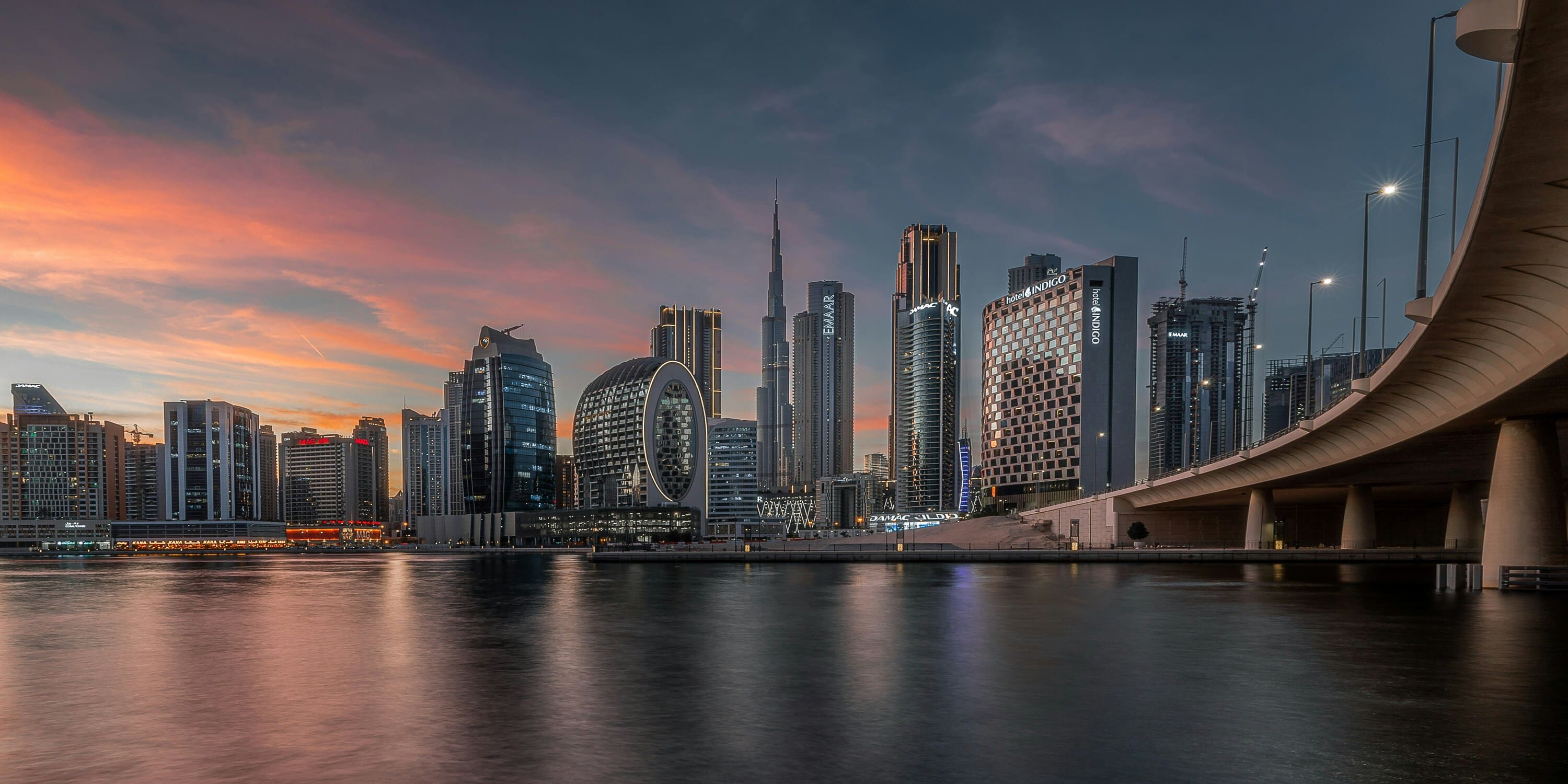
Some of the more established freehold communities include Dubai Marina, Downtown Dubai, Palm Jumeirah, Business Bay, Jumeirah Village Circle and Dubai Hills Estate. Outside these zones, foreigners can only enter into leasehold arrangements.
Residency Is Not Required to Purchase Property
You do not need to be a resident of the UAE or hold a UAE visa to purchase property there. Many international buyers close the deal remotely with a power of attorney where necessary. You do not need a visa before purchasing property. However, you can obtain a visa by buying a property worth AED 2 million. This stage is where the visa eligibility details matter.
The Property-Linked Visa Rules Changed Significantly in 2026
This is one of the more misunderstood parts of the buying process, partly because a lot of information still online reflects the older rules. As of mid-2026, the framework looks like this:
- Two-year Property Investor Visa: Until April 2026, this required a property worth at least AED 750,000. That minimum has been removed for sole owners: any fully owned, completed unit now qualifies, regardless of value. Joint owners each need a registered share worth at least AED 400,000.
- Ten-year Golden Visa: Requires property (or a combined property portfolio) valued at AED 2 million or more, based on the DLD-certified valuation rather than the amount paid. Until February 2026, mortgaged buyers also had to show they’d paid at least 50% of the value upfront; that requirement has since been dropped. A mortgaged property can now qualify as long as the DLD valuation clears AED 2 million and the financing bank issues a no-objection certificate.
The Purchase Price Is Not the Entire Cost

The price you see is a starting point, not a total. Buyers should know the following costs before buying a property in Dubai:
- DLD registration fee: 4% of the purchase price paid to Dubai Land Department.
- Agency commission: around 2% of the purchase price.
- Mortgage registration fee (if you are buying with a mortgage): 0.25% of the loan amount along with a small fixed administrative fee.
- Title deed issuance fee: a small fixed fee, to be paid once ownership is registered.
- Property valuation fee: if the bank appoints a valuer, a fee will be charged.
Check That Your Off-Plan Investment Is Protected
Off-plan properties in Dubai are backed by regulations that help safeguard buyers’ investments. Every project must have a RERA-approved escrow account where buyer payments are held and can only be released when construction milestones are achieved.
Before signing any contract, check that the project is registered with RERA, the developer has a valid DLD licence and the specific unit and payment plan match the Sale and Purchase Agreement. It is also vital to examine the developer’s track record in completing previous projects on time.
Service Charges Are Ongoing Expenses, Not One-Time Costs
Every property in a managed building or community pays an annual service charge that covers the maintenance of common areas such as lobbies, pools, gyms, landscaping and security. They are usually calculated per square foot and vary by building and location. Service charges can significantly affect the total cost of ownership and the return on an investment property. Request the current service charge before you purchase, rather than relying on an estimate.
Community Rules Control How You Can Use The Property
Buildings and gated communities in Dubai often have their own internal rules, set by the developer or owners’ association. These rules are one of the things to know before buying a property in Dubai. These regulations cover pets and parking allocation. Also, there are regulations on whether short-term or holiday-let rentals are allowed. Before you decide to purchase, confirm this with the building management or developer.
Don’t Skip the Property Inspection
Many assume that because many properties in Dubai are relatively new, inspections are not necessary. That’s not completely true; quality of finishes, plumbing and fit-out standards still differ between developers and even between units in the same building. A professional inspection before signing can identify issues that are not visible during a viewing of ready properties.
No Annual Property Tax and Capital Gains Tax
Dubai has no annual property tax and no capital gains tax on sales of property. This is a real structural advantage over many other markets. Also, it is one of the reasons why the city attracts so much investment interest. This does not imply that it is free to own a property in the emirate. The DLD registration fee, service charges, and a housing fee for tenants are among the real costs of ownership.
FAQs
No. Non-residents can buy freely in designated freehold areas, and many complete the transaction remotely with a power of attorney.
No, ownership and residency are two different steps. A property must be above a certain value threshold (currently AED 2 million for the 10-year Golden Visa) to apply for a visa.
Yes, but the terms are stricter than those for residents. Expect a lower loan-to-value ratio, a bigger down payment (often 35-50%), and more paperwork.
Buying property in Dubai is simple and well regulated, with a few things to consider. Each step is governed by the established rules of DLD and RERA, from the MoU to the title deed registration.
The things to know before buying a property in Dubai are less about the mechanics of the transaction and more about the details that don’t show on a listing page. It’s the confirmation of such details before signing that takes a promising listing to a purchase that withstands the test of time. It’s also worth remembering that the same due diligence, from verifying title clarity to checking the service charge history and building reputation, can make selling your property in Dubai a much smoother process when the time comes. You can submit your buying inquiries in dubai on our website for professional guidance & assistance.
For more tips and advice, keep following DubaiSale blogs to make an informed decision.